A buyer comparing promo offers is scanning, not reading. They have four or five listings open, they are looking for reasons to rule things out, and they will spend roughly ten seconds on yours. Most listings lose at that stage — not because the promo is bad, but because the listing does not answer the questions a buyer is actually asking.
The four questions a buyer is asking
- What exactly am I getting?
- What does it cost?
- When can it run?
- Why should I believe it will work?
If your listing answers all four above the fold, you are ahead of most of the market. If it answers none, no amount of enthusiasm in the description will save it.
Specific numbers beat adjectives
"Huge reach" and "amazing engagement" are invisible — every listing says them, so they carry no information. Numbers are the entire difference.
Weak: "Shoutout to my big engaged audience! Great results guaranteed, DM me."
Strong: "Feed post to 18k followers, stays up 48 hours. Last three posts averaged 4,200 views. Fitness and gym niche. $65."
The second version is shorter, and it answers three of the four questions before the buyer has to ask anything. It also filters out buyers in the wrong niche, which saves you both a conversation.
What to put in each part
Title
Lead with the placement and the audience, not with your name. "DM blast to 12k subscribers" tells a buyer what they are looking at. "Luna's promo special" does not.
Price
Publish it. Listings without a price get fewer messages, not more — buyers assume "ask me" means expensive, and skip to the next one. If your price varies by what the buyer needs, list the starting price and say what moves it.
The deliverable
Say what the buyer receives in concrete terms: the placement type, where it appears, how long it stays live, and how many frames or posts. Ambiguity here is what disputes are made of.
Timing
State your turnaround and keep your available dates current. A buyer with a launch next Tuesday will pick the seller who says "runs within 48 hours of booking" over the one who says nothing, even at a higher price.
Evidence
Recent reach figures for the placement you are selling. Not follower count — views, or opens. One screenshot does more work than a paragraph of description. Buyers doing their own checks on a seller are looking for exactly this, and finding it in the listing saves them a message and moves you up their shortlist.
Offer two or three options, not one
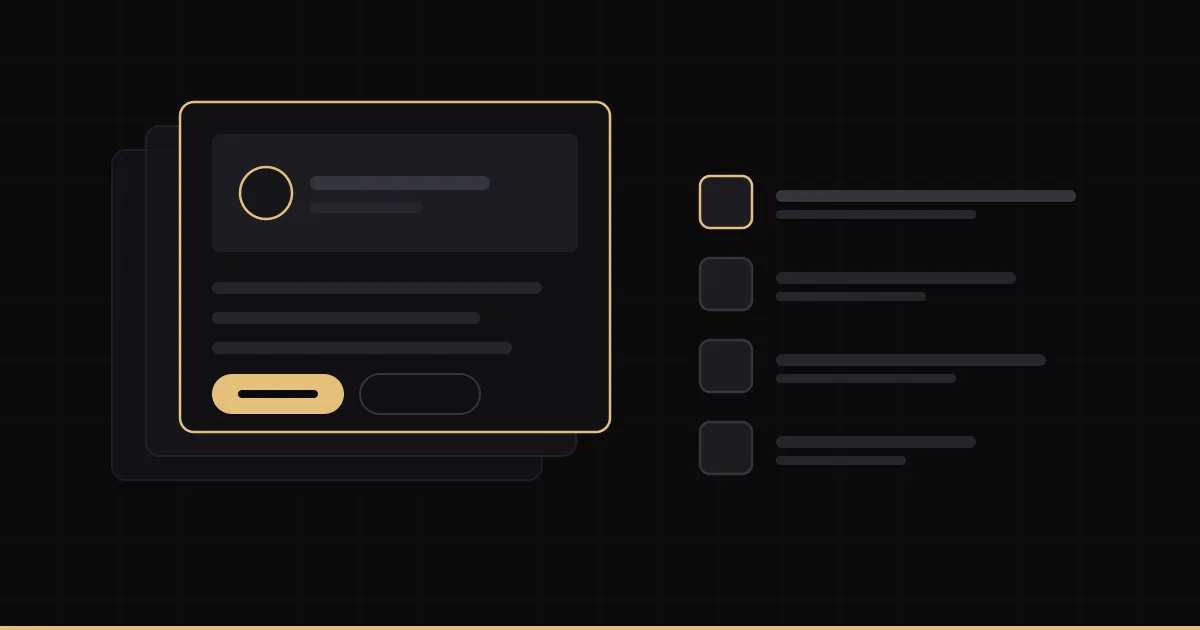
A single price is a yes-or-no decision. Two or three tiers changes the question from "should I buy this?" to "which one should I buy?", which is a much easier question for a buyer to say yes to.
- Entry — one placement, low commitment, priced to get a first-time buyer to try you.
- Standard — the one you actually want to sell. Make it the obvious value.
- Bundle — several placements over a few days, priced at a visible discount against buying them separately.
Most buyers take the middle option. Price accordingly.
Name your niche
Sellers resist this because it feels like turning away business. It is the opposite. A buyer whose audience matches yours converts several times better, will pay more, and comes back. Being findable by the right buyer is worth more than being vaguely available to everyone.
Reply fast, and say what you cannot do
Response time is the thing buyers mention most in reviews, ahead of results. A seller who replies in an hour with a clear answer will beat a seller with better numbers and a two-day lag.
Saying no to things also sells. "I don't do DM blasts, but my wall posts convert better for bundles anyway" builds more confidence than agreeing to everything.
A listing checklist
- Placement type and duration, stated plainly.
- A published price, or a published starting price.
- Recent reach figures for that exact placement.
- Your niche.
- Turnaround time and current open dates.
- Two or three tiers rather than one.
- What you need from the buyer, and by when.
Where to start
Look at how the better listings in your niche are written before you write yours — browse live promo offers and note which ones you could buy from without sending a single question. Then set up your own offers, keep your available dates current, and let the ratings from completed orders do the rest of the selling for you.
Common questions
What should a promo offer listing include?
The placement type and how long it stays live, a published price, recent reach figures for that exact placement, your niche, your turnaround time and current open dates. Answer those and a buyer can decide without messaging you first.
Should I publish my promo prices?
Yes. Listings without a price get fewer enquiries, not more — buyers read "DM for price" as expensive and move on. If your price varies, publish the starting price and say what moves it.
How many pricing tiers should I offer?
Two or three. A single price is a yes-or-no decision; several turn the question into which one, which is much easier to say yes to. Most buyers take the middle option, so price it as the one you actually want to sell.