Promo rarely fails dramatically. It fails quietly: the placement runs, some people arrive, nothing much happens, and nobody can say exactly what went wrong. These are the seven leaks that account for most of it, roughly in order of how much money they cost.
1. Buying reach instead of intent
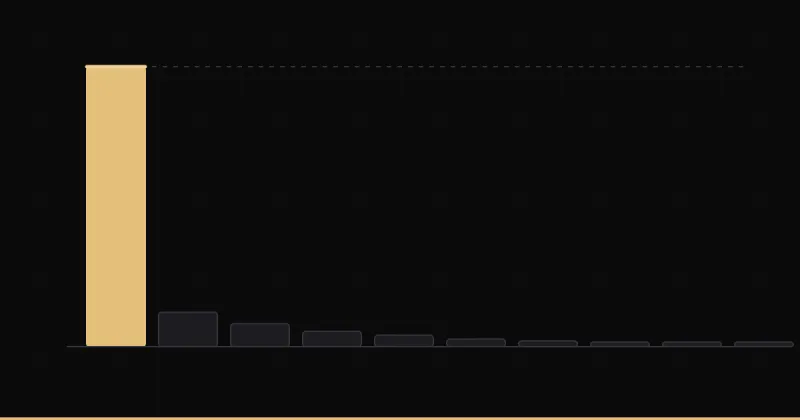
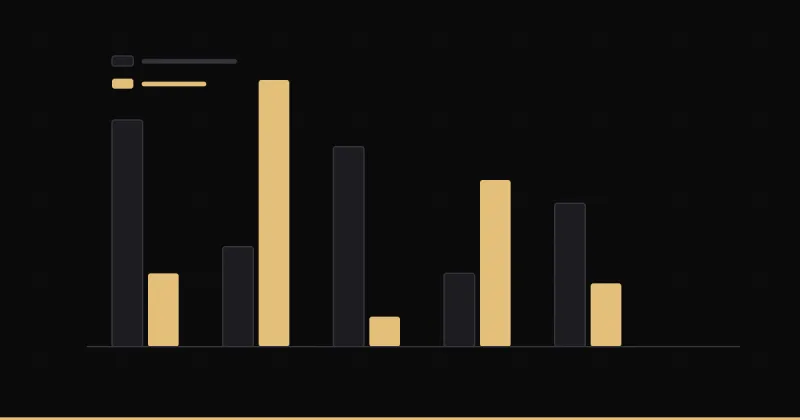
Follower count is the number sellers quote because it is the most flattering one they have. It is also the least predictive. A 40,000-follower account with a passive audience will underperform a 10,000-follower account whose audience actively engages, and it will cost more.
The check: ask for views or DM opens on the exact placement type you are buying, from the last three times they ran it. If the answer is a follower count, you have not been given an answer.
2. Not tracking anything
If you cannot say how many subscribers a specific promo produced, you cannot tell a good seller from a lucky one — and you will keep buying from whoever is most persuasive rather than whoever performs.
The check: screenshot your subscriber count immediately before a promo runs and again 48 hours after. A spreadsheet with date, seller, placement, cost and delta is enough. Do this for three promos and you will know more about your own funnel than most creators ever learn.
3. Wrong niche, right numbers
An audience that is large, engaged and interested in something else converts terribly. This is the failure that looks most like bad luck, because every metric the seller quoted was true.
The check: look at the seller's actual content and audience before you buy, not just their stats. If you cannot see why their subscribers would want what you make, the numbers will not rescue it.
4. Sending traffic to a page that does not convert
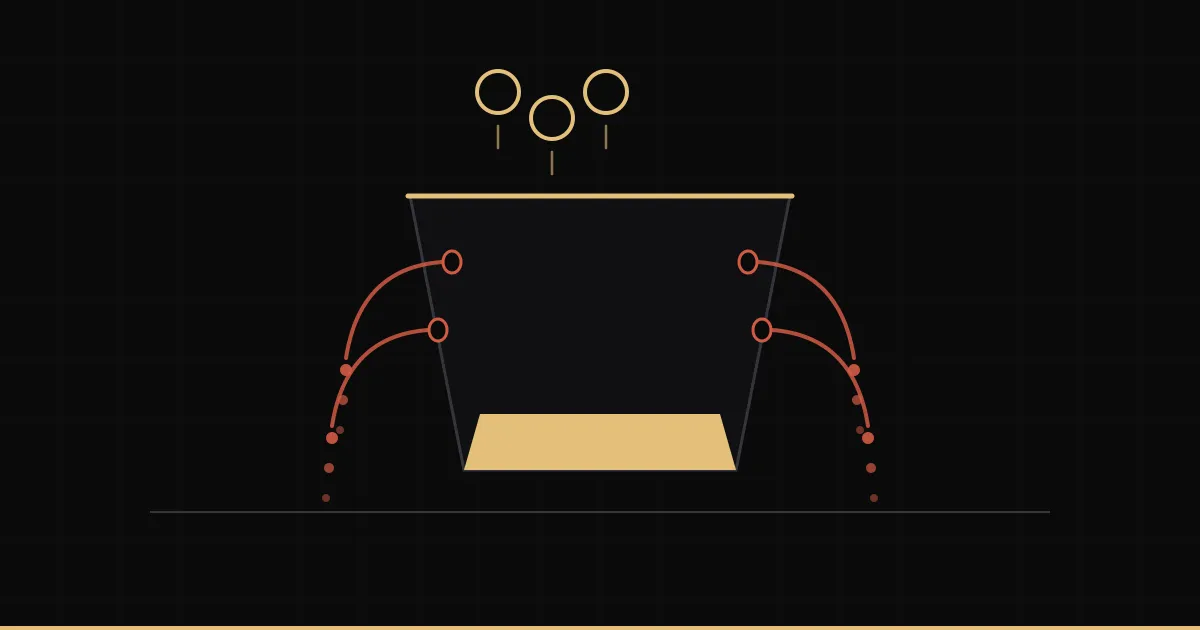
Promo multiplies your existing conversion rate. If your page converts at 3%, buying more traffic buys you more of that 3%. The money is not wasted by the seller; it is wasted after the click.
The check: before spending on promo, look at your page as a stranger. Pinned content, bio, price, welcome message. Fix that first — it is free, and it improves every promo you will ever buy. The funnel maths shows how much difference it makes.
5. Paying before the terms are agreed
Most promo disputes are not fraud. They are two people who agreed a price and assumed different things about everything else — which placement, how long it stays up, what date, what happens if it does not run.
The check: get the placement, duration, date, creative and proof-of-delivery written into the chat before any money moves. A seller who answers all five quickly has done this before. One who deflects on the last two is telling you how it ends if something goes wrong.
6. Judging results on day one
A promo that brings 30 subscribers looks excellent on Tuesday and rather different a month later, when agency reporting suggests smaller creators can lose 40–60% of subscribers monthly. Those churn figures are self-reported and imprecise, but planning as though everyone stays is planning to be wrong.
The check: record the subscriber delta at 48 hours and at 30 days. The second number is the one that tells you whether to buy from that seller again.
7. Optimising for the cheapest quote
A $15 placement that produces nothing has an infinite cost per subscriber. A $180 DM blast that produces 25 subscribers cost about $7 each. The invoice is not the cost; the cost per subscriber acquired is the cost.
The check: shortlist three sellers, get reach figures for the same placement type from all three, and compare cost per thousand people actually reached with the ROI calculator. It takes ten minutes and it reorders the list surprisingly often.
Putting it together
None of these require experience — they require asking four or five direct questions before paying, and writing down two numbers afterwards. Creators who do that consistently spend less and get more, not because they found better sellers but because they stopped funding the ones who could not deliver.
The seller checklist covers the before, and the funnel guide covers what to expect. When you are ready to buy, browse creators with ratings from completed orders so at least the track record is not something you have to take on trust.
Common questions
Why is my OnlyFans promo not working?
The most common causes are buying reach instead of intent, a niche mismatch that every metric hid, and a page that does not convert the traffic it receives. Promo multiplies your existing conversion rate, including a poor one.
How do I track whether promo worked?
Screenshot your subscriber count immediately before the promo runs and again 48 hours after, then again at 30 days. A spreadsheet with date, seller, placement, cost and delta is enough. Three promos in, you will know more about your funnel than most creators ever learn.
Should I buy the cheapest promo I can find?
No. A $15 placement that produces nothing has an infinite cost per subscriber, while a $180 DM blast producing 25 subscribers cost about $7 each. Compare cost per subscriber acquired, never the invoice.