Most promo sells you a placement: a story, a post, a DM. GG — guaranteed gain — sells you an outcome instead. You pay for a subscriber target, and the seller keeps promoting until it is met. It is the most buyer-friendly structure in the market and also the one most likely to end in an argument, because everything depends on how "met" is defined.
How a GG deal is structured
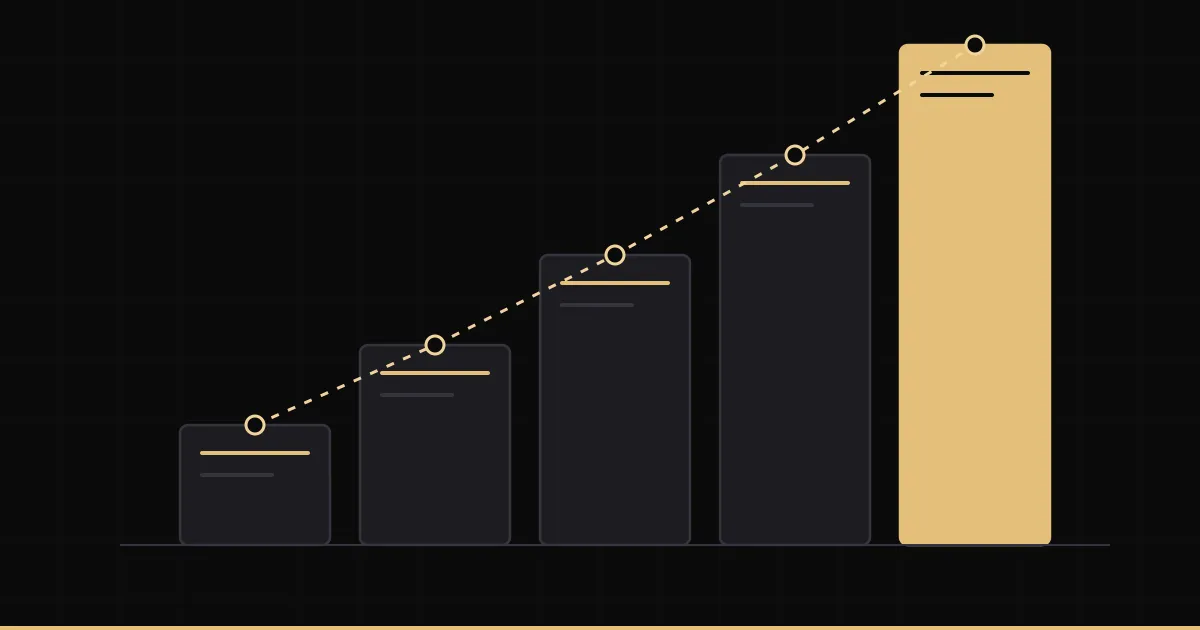
A GG offer is priced in tiers rather than as a single number. A typical ladder looks like this:
- 100 subscribers — $150
- 250 subscribers — $320
- 500 subscribers — $580
- 1,000 subscribers — $1,050
The per-subscriber rate falls as the tier rises, which is why the larger tiers look better value and why sellers push them. The seller decides how to hit the number — a run of placements rather than one big push — and carries the risk if the first attempt underperforms. Expect a real campaign to take weeks, and a larger tier two to three months. Anyone promising 1,000 subscribers by Friday is selling you something else.
What actually counts as a subscriber
This is the single most important clause, and the one most often left vague. Before you agree anything, settle all four of these.
- Free or paid? A free-page subscriber and a paying subscriber are wildly different products. Most GG offers count free subscribers unless stated otherwise. Ask explicitly.
- Over what window? Gains are counted between a start and an end. Match it to the tier — two to four weeks for a small target, two to three months for a large one. Without a window, the count never closes.
- Measured how? Usually your own subscriber count at the start and the end, screenshotted by you. Agree who screenshots and when.
- Net or gross? If forty people subscribe and twelve leave inside the window, is that 40 or 28? Both are defensible. Only one is what you agreed, and it should be written down.
Almost every GG dispute is an attribution dispute. Fix the definition before you pay and you have removed the main way these deals fail.
The attribution problem
A GG campaign runs for weeks or months, so it will almost certainly overlap with something else you are doing. If your own launch lands in the middle of it, no one can say which subscribers came from where. The seller will reasonably claim the gains. You will reasonably doubt it.
Two ways to reduce this. Run the GG window when you are not running anything else significant, so the comparison is cleaner. Or agree a baseline first: track your organic growth for two weeks, then count only the gain above that baseline. The second is fairer and harder, and serious sellers will usually accept it.
What happens if the target is missed
A GG offer without a stated shortfall term is not really a guarantee. Standard remedies, roughly in order of how common they are:
- Extra placements until the number is reached, at no additional cost. The most common, and usually the best outcome for both sides.
- Pro-rata refund on the shortfall — you paid for 500 and got 380, so 24% comes back.
- Extended window at the same price.
- Nothing. Some sellers describe a target as an estimate rather than a guarantee. That is a legitimate offer, but it is not GG, and it should be priced like ordinary promo.
What a fair GG agreement contains
Six lines, agreed in chat before payment:
- The target number, and whether it means free or paying subscribers.
- The measurement window, with a start date and an end date — agreed up front, and realistic for the tier.
- Who screenshots the count, and when.
- Whether the figure is net or gross of unsubscribes.
- What the seller will do if the target is missed.
- Roughly what placements they plan to use — you are entitled to know your promo is not going somewhere that damages your page.
Is GG worth paying more for?
You are also buying patience: your money is committed for the length of the campaign, which for a large tier is a couple of months. You are buying risk transfer, and it costs something. A GG tier will usually price out above what the same placements would cost bought individually. That premium is worth paying when you cannot absorb a placement that produces nothing, and not worth paying when you already know a seller converts well for you — at that point buying placements directly is cheaper.
It also works best with sellers who have run GG before. A first-time GG seller has not yet learned what their audience actually delivers, and is likelier to set a target they cannot hit.
Where to start
On Only Safe Promo, GG offers list their tiers openly, so you can compare per-subscriber rates across sellers before you talk to anyone. Browse GG packages, or read what standard promo costs to see whether the GG premium is worth it for your situation.
Common questions
What is GG promo on OnlyFans?
GG stands for guaranteed gain. Instead of selling you a placement, the seller sells you a subscriber target and keeps promoting until it is met, carrying the risk if the first attempt underperforms. It is priced in tiers rather than as a single figure.
How long does a GG campaign take?
A real campaign runs for weeks, and a larger tier routinely takes two to three months, because it runs until the target is hit rather than on a fixed date. Anyone promising a thousand subscribers by the end of the week is selling something else.
What happens if a GG seller misses the target?
That depends entirely on what you agreed, which is why it has to be agreed. The usual remedies are extra placements at no cost until the number is reached, a pro-rata refund on the shortfall, or an extended window. A GG offer with no stated shortfall term is not really a guarantee.